How Can Laparoscopic Surgery Transform the Lives of Patients with Obesity and Type 2 Diabetes?
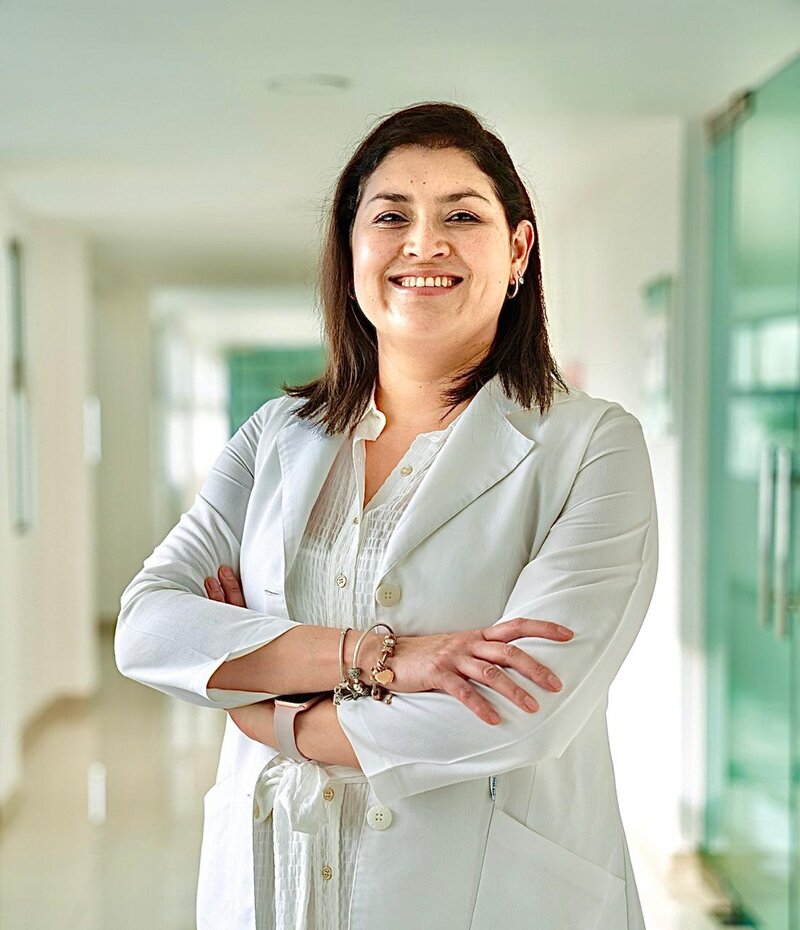
Obesity has become a global epidemic, bringing with it countless health complications, with type 2 diabetes being one of the most common and concerning. Fortunately, modern medicine has advanced enough to offer effective, long-lasting solutions. In this article, we share insights from Dr. Montserrat Monroy, a laparoscopic surgeon specializing in bariatric surgery, who explains the benefits of gastric sleeve surgery, particularly for patients living with type 2 diabetes.
What Is Gastric Sleeve Surgery?
Gastric sleeve surgery, also known as sleeve gastrectomy, is a surgical procedure that reduces the size of the stomach, creating a narrow, tube-shaped stomach—hence the name.
The procedure is performed laparoscopically, using several small incisions in the abdomen along with a high-definition camera and specialized surgical instruments. This minimally invasive approach significantly reduces postoperative pain, minimizes scarring, and allows for a faster recovery compared to traditional open surgery.
Benefits for Patients with Obesity
The most noticeable result is substantial and sustained weight loss. By reducing the stomach's capacity, patients feel full after eating much smaller portions, naturally lowering their calorie intake.
However, the benefits extend beyond simple restriction. Gastric sleeve surgery also influences hormones that regulate appetite, helping reduce hunger and making it much easier for patients to adapt to healthier eating habits and maintain long-term lifestyle changes.
The Impact on Type 2 Diabetes
One of the most remarkable—and valuable—benefits of gastric sleeve surgery is its effect on type 2 diabetes.
In many patients, the procedure can lead to diabetes remission, meaning blood sugar levels return to normal without the need for diabetes medications.
This improvement occurs through several mechanisms, including:
- Increased insulin sensitivity.
- Favorable changes in gut hormones involved in glucose metabolism.
- Significant weight loss, which reduces insulin resistance.
How Common Is Diabetes Remission?
Although results vary among studies, research generally shows that between 60% and 80% of patients with type 2 diabetes experience remission following gastric sleeve surgery.
The likelihood of remission depends on several factors, including:
- How long the patient has had diabetes.
- The severity of obesity.
- Remaining pancreatic function.
- The patient's commitment to long-term dietary and lifestyle changes.
Benefits Beyond Weight Loss and Blood Sugar Control
The advantages of gastric sleeve surgery extend far beyond losing weight or improving diabetes.
Many patients also experience improvement—or even resolution—of conditions such as:
- High blood pressure (hypertension)
- Obstructive sleep apnea
- High cholesterol
- Osteoarthritis
- Infertility associated with obesity
In addition, studies have shown reductions in the risk of cardiovascular disease and certain types of cancer, resulting in significant improvements in both overall health and quality of life.
What Are the Risks?
Like any surgical procedure, gastric sleeve surgery carries potential risks, including:
- Bleeding
- Infection
- Staple line leaks
- Anesthesia-related complications
Fortunately, these complications are relatively uncommon and can be minimized through careful patient selection, meticulous surgical technique, and comprehensive postoperative care.
For this reason, it is essential that every patient fully understands both the potential benefits and risks before making a decision.
Preparation and Postoperative Follow-Up
The journey toward gastric sleeve surgery begins well before entering the operating room.
Patients undergo a comprehensive medical evaluation that may include:
- Blood tests
- Imaging studies
- Nutritional assessment
- Psychological evaluation
Equally important is educating patients about the lifelong changes required in nutrition, physical activity, and healthy habits.
Postoperative follow-up plays a critical role in long-term success. Regular appointments with the bariatric surgeon, registered dietitian, and, when appropriate, a psychologist help ensure proper recovery and successful adaptation to a healthier lifestyle.
Advice for Patients Considering Surgery
The recommendation is straightforward:
Take the time to become well informed, choose an experienced bariatric surgeon, and commit to making lasting lifestyle changes.
Gastric sleeve surgery is a powerful medical tool—but it is not a magic solution. Long-term success requires dedication, healthy habits, and ongoing follow-up. For patients who embrace these changes, the results can be truly life-changing.
Conclusion
Gastric sleeve surgery has emerged as one of the most effective treatments for both obesity and type 2 diabetes.
If you are considering this procedure, the first step is to consult with a qualified bariatric specialist who can determine whether gastric sleeve surgery is the right option for your individual health needs.